The Piece — Pass Piece™
The first chess piece that represents inaction.
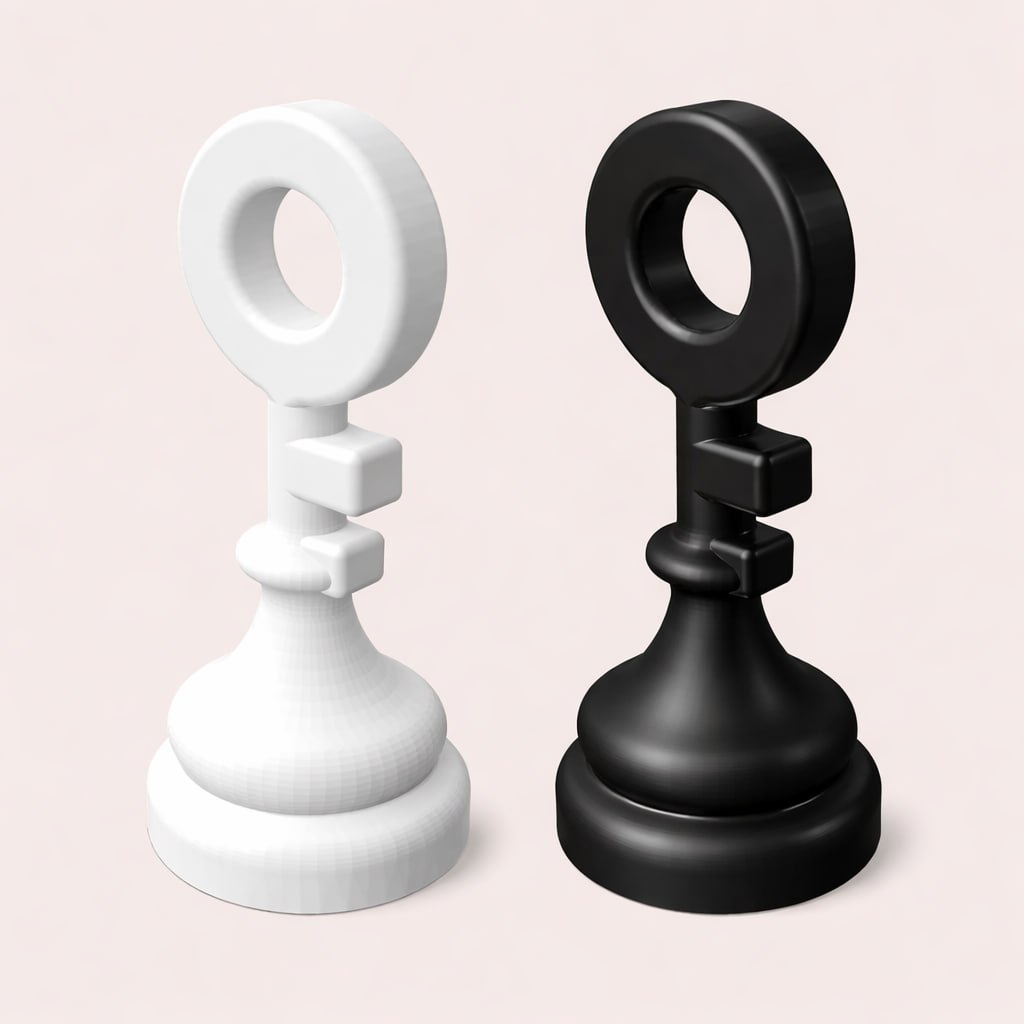
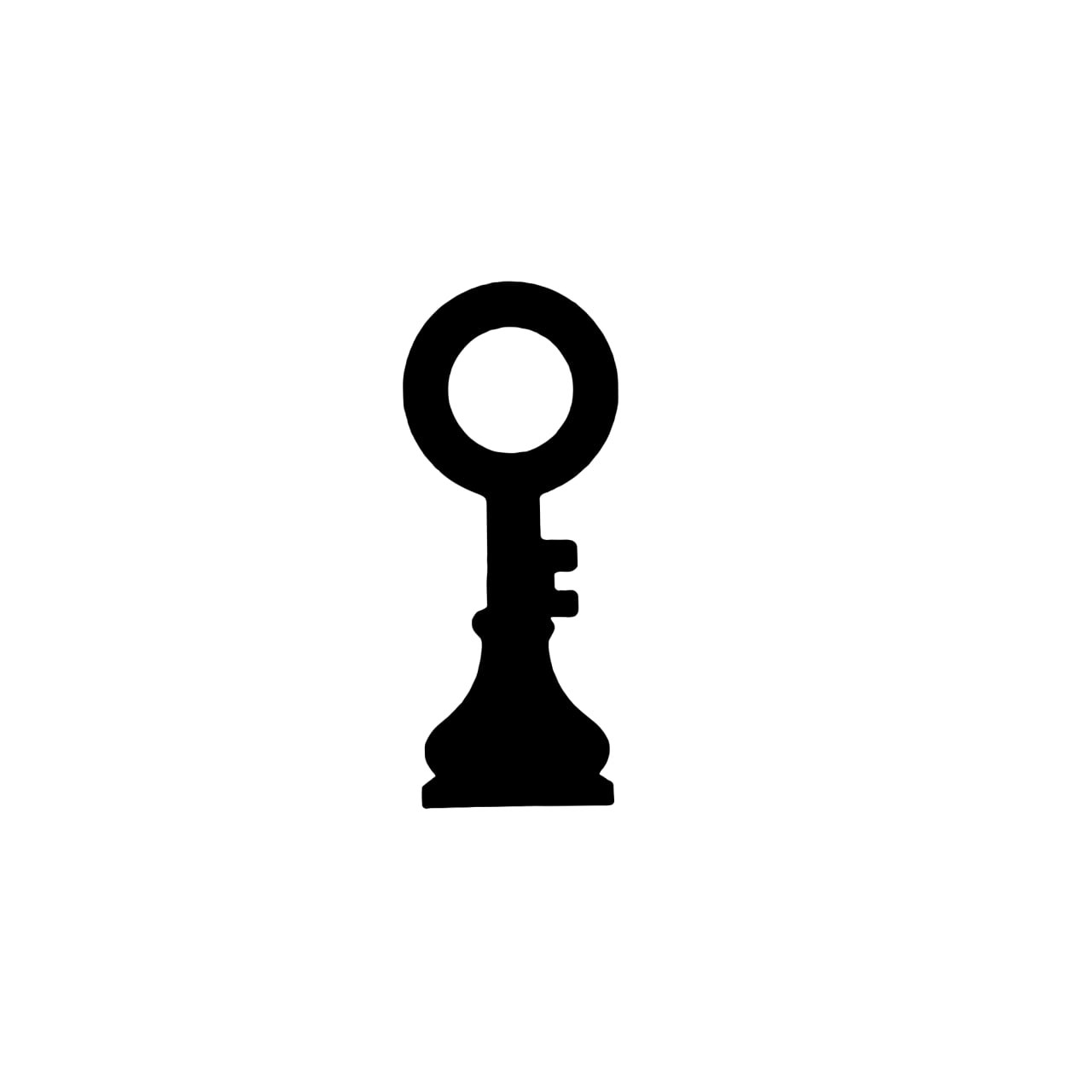
Pass Piece™, including its distinctive shape, form, and visual design is a protected element of the ChessWithPass™ system and a core component of its identity. Invented and developed by Alexey Fomin.
For centuries, chess has remained a closed system. Styles changed, ideas evolved, but the rules and the set of pieces remained the same. The last major change occurred in the 15th century, when the Queen was strengthened. Since then, no new pieces have appeared in chess.
Until now.
What Is the Pass Piece™
In ChessWithPass™, a new piece appears — the Pass Piece™.
It does not move. It does not attack. It does not defend.
And yet, it changes the entire game.
Key Statement
All chess pieces are pieces of action. They exist to move, attack, or defend. Even in the worst position, a player must make a move.
The Pass Piece is the first chess piece in the world that represents inaction. It does not make a move. It records the decision not to make one.
And at this moment, chess gains something for the first time: conscious inaction as a full element of the game.
This is not an addition. This is a turning point.
Because now the game is no longer only about:
- what to do?
But also:
- whether to act at all.
How the Pass Piece Is Used
There are two Pass Pieces in a game. One white. One black. One for each player. They remain off the board until used.
When a player decides to skip a move, they place the Pass Piece on any empty square.
This means:
- the move is skipped
- the right to pass has been used
After that, the opponent:
- removes the piece from the board
- makes their move
Limitations
- the pass can be used only once per game
- a pass is not allowed if the player is in check
- a pass cannot be answered with a pass
Principle
The Pass Piece expresses two actions at once:
- I do not make a move
- I pass the move to you
Previously, there was no element in chess that combined the conscious absence of action and the transfer of the move.
Chess Context
Bobby Fischer introduced Chess960 to bring freshness back to chess and remove memorized openings. He changed the starting position. But the logic of the game remained the same: the player was still required to move.
ChessWithPass™ goes further. It does not change the arrangement of pieces. It changes the principle of the game itself.
Now the question is not only: which move to make? But also: whether to make one at all.
Form
The piece is shaped like a key. This is not accidental.
The key symbolizes:
- choice
- access
- opening
And most importantly: the ability to open the move to the other player.
Form here is not decoration. It is meaning expressed through shape.
What Has Actually Happened
Chess did not just receive a new piece. It gained a new dimension.
Before, the game was built only on actions. Now, inaction is built into it.
And this changes:
- the structure of decisions
- the depth of strategy
- the very way of thinking